Japanese Fall Fashion: How Tokyo Layers for October
This post contains affiliate links. As an Amazon Associate, Kakurega Market earns from qualifying purchases.
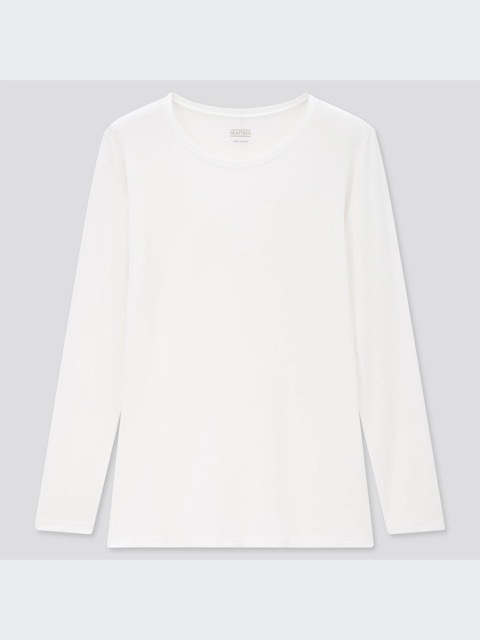 the thin base, regular HEATTECH
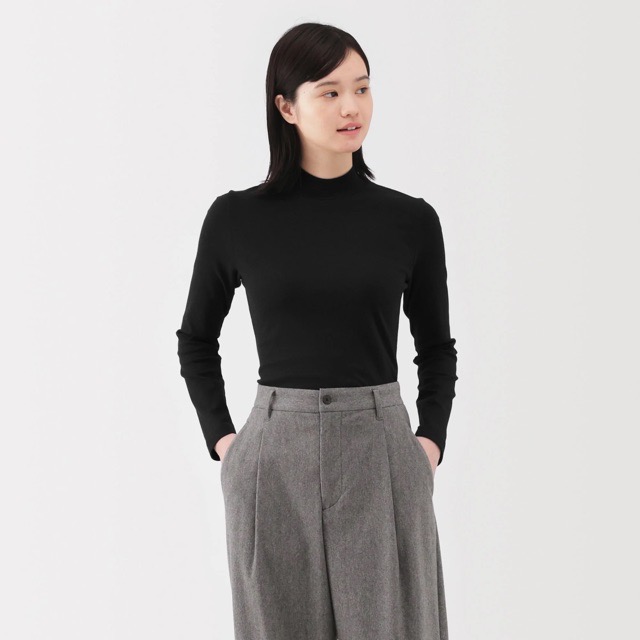 a cotton base for milder days$29.90
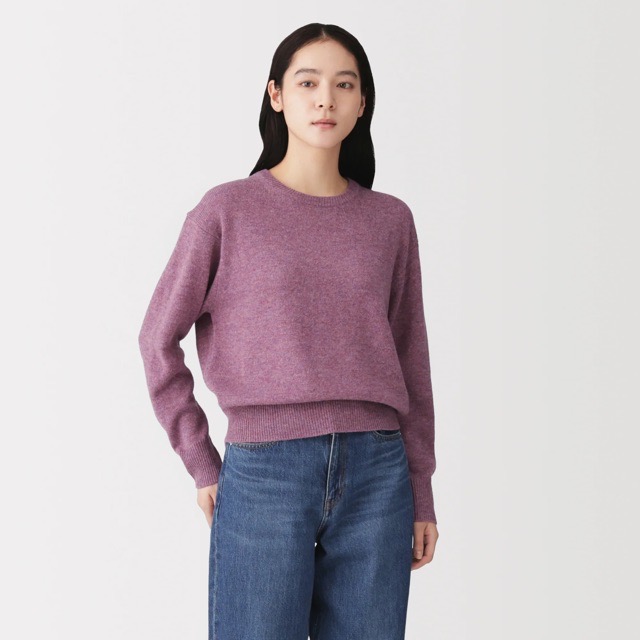 the mid layer: mid-gauge Merino$59.90
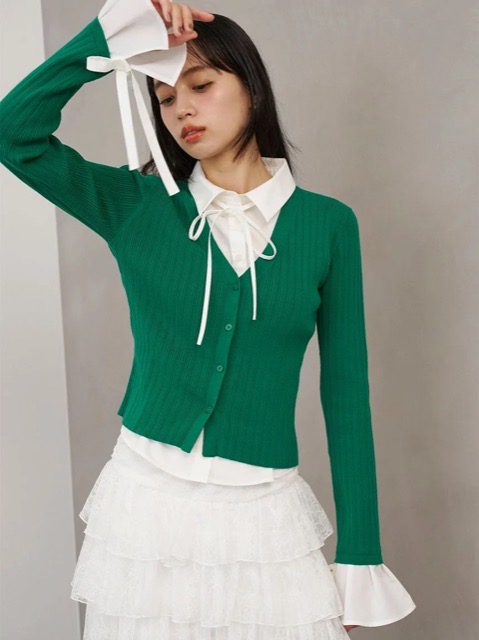 shirt and knit in one top$147
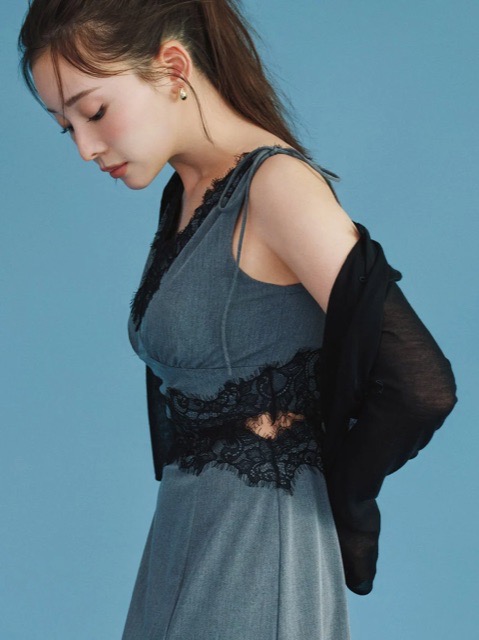 the sheer knit for in-between days$97
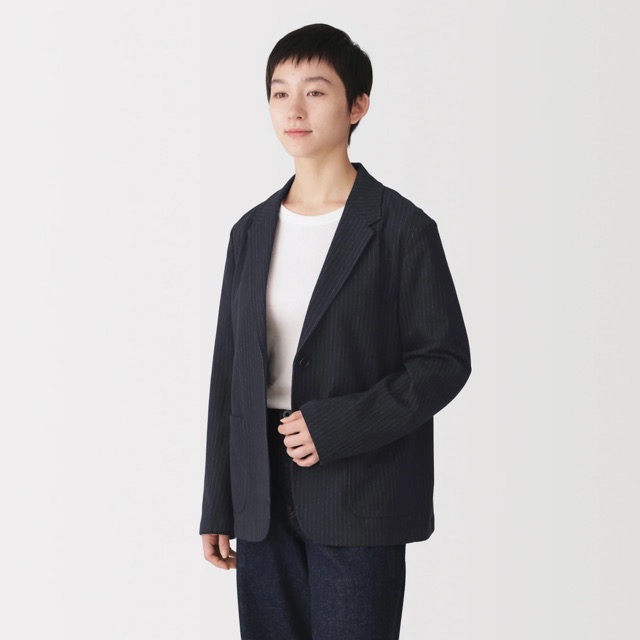 a polished light jacket$99.90
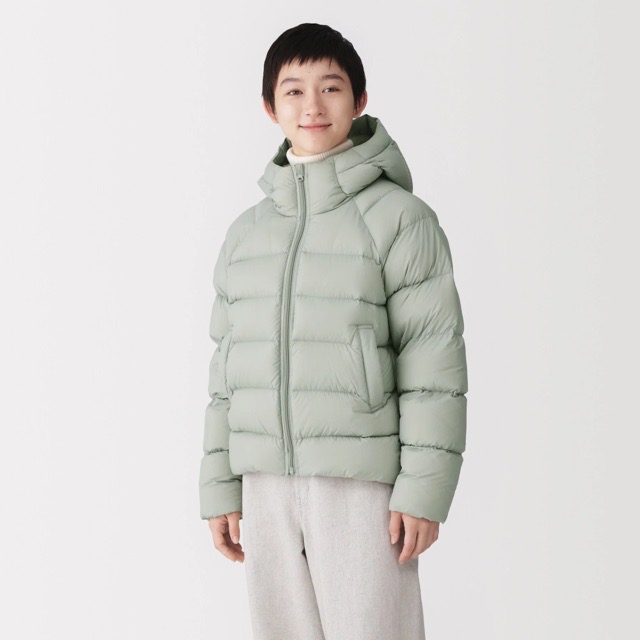 the outer that packs away$169.90
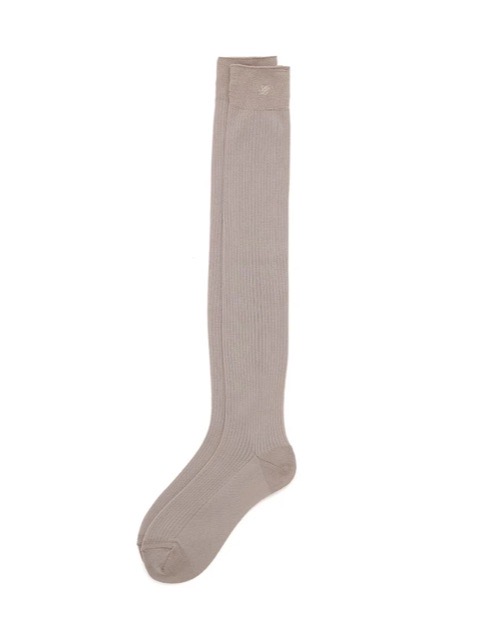 a sheer touch with a skirt$27
Key takeaways
- Skip the heavy coat. Wear a thin base, a midweight knit that works on its own and a light jacket you can carry.
- Lean on mocha brown, dark gray, olive or navy, then add something sheer or clear-colored.
- Regular HEATTECH is very thin. That’s the base October wants, so save Extra Warm for late November if you run cold.
Fall in Japan asks you to dress for two temperatures at once. My fix is three thin layers you can peel off, not one big coat you’re stuck in. The picks below lean on Japanese fabric and color guides, read next to English travel sites.
Polish counts as much as warmth. Inside Kyoto says Japanese people tend to dress slightly more formally and neatly than most Westerners, and one fashion blogger calls street style in Japan more polished and subdued than casual street style in America.
What makes a Japanese layered outfit look intentional?
Balance, not bulk. Japanese fashion site Oggi separates layering for warmth from layered styling, which it describes as enjoying the balance, colors, patterns and materials of what you stack.
For autumn, Oggi notes that deep, rich colors and thicker pieces start to pile up, so it suggests borrowing sheer textures and clear colors to keep the layered look refined. Steal that line. My read: a single sheer or clear-colored piece is what keeps three layers from looking like three brown sweaters.
The colors to layer in
Japanese retailer Joint Space’s autumn-winter color guide includes these picks:
- Mocha brown, a deep brown that recalls cocoa or mocha
- Dark gray, less stark than black, yet it pulls an outfit together more than light gray does
- Olive green, which keeps things calm while adding variety to fall and winter outfits
- Navy, with a softer depth than black, easy for commuting or neat weekend clothes
- Clay pink, a dusty pink mixed with white or gray, with the sweetness toned down
If your closet runs on black and denim, I’d start with dark gray or navy, since Joint Space pitches both as softer takes on black.
How cold is Japan in October and November?
Cool at one end, mild at the other. Here’s what travel sites say. Each line ends with my own layer plan, not theirs:
- Early autumn: around 18°C. Base plus a light mid.
- October: 14°C to 22°C. Base and mid, outer in hand.
- November: 7°C to 17°C, or 45°F to 63°F. All three, most of the day.
- Late November: around 10°C. All three, with a warmer base.
Want official figures before a trip? The Japan Meteorological Agency publishes climate normals, averages of 30 years of observed data that it updates every decade.
October’s ends sit 8°C apart, a difference that widens to 10°C (18°F) in November. A coat warm enough for the cold end is overkill at the warm end, and you can’t take off half a coat. From October to November the low falls 7°C while the high falls only 5°C. Three layers let you drop one piece at a time, and because the cold end drops faster than the warm end, the outer layer earns its keep well before your knit needs to get any thicker.
Fabric weights, from base to outer
Midweight for the knit. Thin against the skin. Yamatomi, a Japanese fabric wholesaler, sets 260 g/m² or more as the guideline fabric weight for autumn-winter clothing, against 240 g/m² or less for spring-summer. That figure is the weight of one square meter of the cloth. For scale, the same guide calls 230 to 260 g/m² right for a year-round suit, and it says coats and winter clothing, which benefit from some heft, suit heavier cloth. So for October, aim the mid layer near that autumn-winter line and save true coat-weight fabric for later.
The base layer plays by different rules. It’s about warmth for its thickness:
Uniqlo HEATTECH (base-layer reference)
- Tiers: regular HEATTECH, Extra Warm and Ultra Warm
- Extra Warm: about 1.5 times the warmth of regular, based on CLO value, a measure of a garment’s thermal resistance
- Ultra Warm: about 2.25 times regular
- Regular: very thin, made to go under slim pieces without bulk
For October, the regular tier is the one this formula wants, because a thin base is what lets the other layers come on and off. Ultra Warm, with its plump waffle-knit face and longer-brushed, thicker inside, is more than a fall day calls for. Heads-up: these figures come from Uniqlo Japan’s site, so check the US listing for which tiers it carries before you order.
How to build the three layers
Build from the skin out, thinnest to heaviest, and make the middle piece good enough to wear on its own.
- Check the day’s low. Near October’s cold end, plan all three. Near the warm end, two will do.
- Start thin. Regular HEATTECH, or a fine cotton tee on mild days.
- Make the mid layer the outfit. It’s the knit, cardigan or shirt-jacket, the piece people actually see, so it deserves the budget. Pick it in one of the colors above and let sheer or clear-colored pieces do some of the work, which is Oggi’s autumn advice.
- Add an outer piece you can carry. Think light jacket. Save the heavier coat for November.
- Test each stage alone. Take the outer off, then the mid. If either stage looks unfinished, swap a piece.
Thin base, midweight knit, carryable outer: that order wins because every piece you shed is lighter than the one before it.
Match the layers to your day
Time outdoors decides the base more than the calendar does.
- Outdoors all day in October: regular HEATTECH, a midweight knit and a light jacket. Wear closed shoes too, since streets can be damp from autumn rain.
- Mostly indoors (museums, shopping, an office): skip the thermal. A shirt or fine knit under a cardigan, with the outer over your arm, gives you more to take off than to add.
- You run cold: HEATTECH Extra Warm. Make the switch in late November and pair it with a coat in heavier cloth.
What should you skip wearing in Japan this fall?
Inside Kyoto’s list for women is short. No skimpy tops, bare midriffs, tiny shorts or leggings. Leggings make it because, per the same site, most Japanese women don’t wear them unless they’re doing yoga or sports.
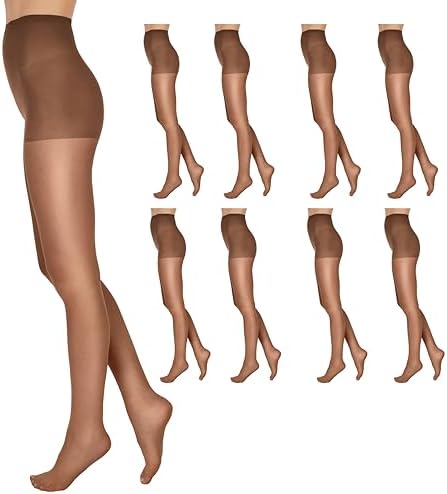
Legwear is where my sources split. Inside Kyoto groups tights with leggings, while Real Estate Tokyo’s dress-code guide advises stockings for women.
My call: no tights or leggings worn as pants, and sheer stockings under a skirt or dress when you want legwear.
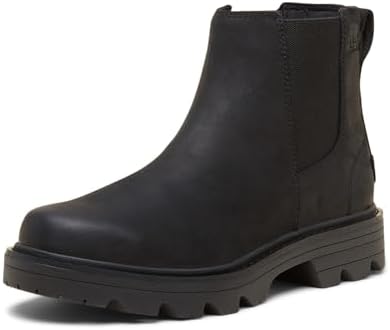
If you’d rather get the stockings and a closed pair of boots in one Amazon order, start here:

Japanese terms on product pages
If you end up shopping Japanese sites for any of the pieces above, these are the words worth recognizing on a product page:
- レイヤード (layered): Oggi explains it as meaning “to stack,” referring to layered dressing, 重ね着
- 目付 (fabric weight): the term Yamatomi’s guide uses for a fabric’s weight in grams per square meter
- 極暖 and 超極暖: Uniqlo’s Japanese names for HEATTECH Extra Warm and Ultra Warm
Where should you start?
Buy the mid layer first, since it’s the piece on show once the outer comes off indoors. Dark gray or navy is the easy entry (see the palette above), then add the thin base, and leave the outer for last, because a light jacket that’s already hanging in your closet may be all October asks for.
For the indoor side of Japanese style, once the layers come off, start with the celebrities who have worn Gelato Pique.
Packing for an October trip? Bring two mid layers, one thin base per day and one outer, since the outer is the piece that changes least.
Frequently asked questions
What should I wear to a wedding in Japan in the fall?
A dress or skirt, preferably knee-length, with your shoulders covered by a shawl or bolero if the dress is sleeveless. Your fall outer layer can go over it for the trip there and come off at the venue.
What do you wear to a funeral in Japan?
Keep necklines high and wear opaque black stockings. Jewelry stops at a wedding ring and perhaps a string of pearls, and the fabric shouldn’t be shiny or embroidered.
Does the same layering work in Kyoto?
Yes, with a warmer base on hand. One travel blog says Japan’s temperature dips to around 10°C, especially in regions like Kyoto or Hokkaido.
Can I wear a short skirt in Japan in the fall?
You can, though Inside Kyoto says young Japanese women and girls sometimes wear short skirts while older women don’t. A knee-length skirt over sheer stockings is the safer bet if you’d rather blend in.